




A Great Weekend
We just returned from a few days on the Jersey Shore, sun-drenched and happy.
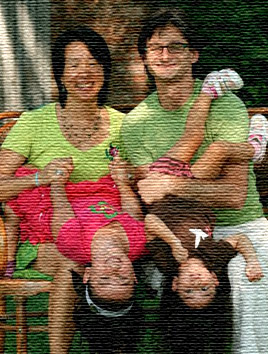
Chiara had a great time in the wide open spaces (wide open relative to Manhattan anyway!) and napped under a beach shade two out of three afternoons. She continues to break out new verbal tricks, to the delight of the adults around her. My favorite was her coining of the term “volley-olio” — her attempt at volleyball. A close second was when Jeanhee and I were playing a co-ed volleyball match this afternoon and I looped one of Jeanhee’s sets over the defender’s head and right onto the back line. Chiara exclaimed, “Nice shot!” 21 months old — incredible!
My first beach tournament of the season was a bit of a disappointment. I played far too tentatively most of the day. I was a little nervous and not used to the wind after playing indoors all winter. By the time I pulled myself together, our chance to make the playoffs were gone, but Matt and I spanked the first place team in our pool 21-13 to send them on their way. I’m confident that next time out will be better.
Met some new faces and reconnected with folks I hadn’t seen since Chiara was born. One of my opponents on Saturday joked that I had been out with a case of “gottakiditis”. We ate pretty well, had some nice family time, and I even squeezed in some satisfying late night hacking on Tracks.
The most surprising part of the weekend was the drive back into the city. I was mentally geared up for grueling holiday traffic and instead we sailed all the way into Manhattan with no delays to shake a stick at. Maybe the iffy forecast sent people home early. Regardless, it was a nice way to cap off a great weekend.
I think of Memorial Day mainly as a beach weekend; but, it’s a time to appreciate those who have made the ultimate sacrifice, too. To you who will never read this, thank you.

